The energy crisis of 2022 produced a lot of products that claimed to solve UK electricity bills. Most of them didn't, not really. Power stations that required you to manually plug appliances into them. Solar panels that charged a separate battery with no connection to your home circuit. Smart plugs that tracked consumption without reducing it.
Plug-in solar is different — not in a marketing sense, in an engineering sense. It actually connects to your home's electrical circuit and reduces the amount of electricity your home draws from the grid. That sounds obvious, but none of the 2022 products did this legally. The regulatory framework didn't permit it.
What 2022's power stations actually did
Power stations like the EcoFlow DELTA 2, Jackery Explorer 2000 Pro, and Bluetti AC200MAX are self-contained electrical systems. You charge them from solar panels or the grid, then run appliances directly from their AC outputs. Your home meter doesn't register the activity at all — because these products operate entirely outside your home's electrical system.
This is useful for camping, off-grid living, emergency backup, and powering a garden office. For reducing a household electricity bill, it's a workaround that requires behavioural change and delivers lower savings per pound spent than plug-in solar.
What plug-in solar actually does
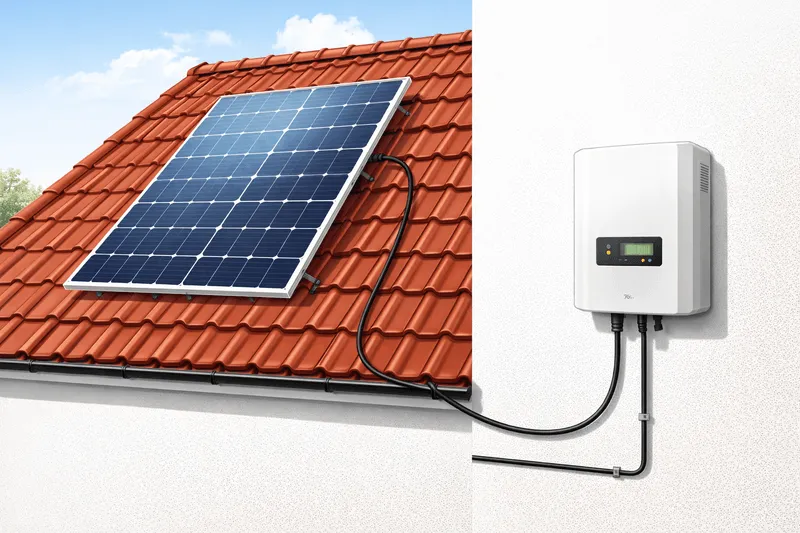
Panels generate DC electricity. The microinverter converts this to grid-frequency AC. The AC feeds into your home's ring circuit via a socket. When your panels are generating, your home draws less from the grid. Your smart meter records lower import. Your bill is lower. The system works invisibly — no separate appliances to manage, no behaviour change required.
Why it took until 2026
The product existed. The engineering worked. The reason it wasn't in UK shops before 2026 is regulatory, not technical. BS 7671 required a registered electrician to connect any generation equipment to a domestic circuit — which made a £419 plug-in kit effectively cost £419 plus £350 for an electrician, destroying the financial case. Amendment 4 removed that requirement. The product that should have been in UK shops in 2023 is finally arriving.
The financial comparison
EcoFlow DELTA 2 + panel: £1,200–£1,500 outlay, £100–£150 annual saving, 8–10 year payback. EcoFlow STREAM plug-in kit: £499 outlay, £125–£156 annual saving, 3–4 year payback. The plug-in kit saves more money, faster, for less upfront cost. The power station is more versatile. For pure bill reduction, there is no comparison.