The tariff you're on determines whether solar saves you £100/year or £300/year. Octopus offers more smart tariffs than any other UK supplier — each designed for a specific household setup. Here's how they work and which one you should be on.
Switch to Octopus — Get £50 Credit →
Octopus Agile
How it works: Electricity priced in 30-minute slots, tracking day-ahead wholesale rates. Prices published at 4pm for the following day.
Price range: Occasionally negative (you get paid to use electricity) to 35p+ during winter evening peaks. Average rate is typically below the standard tariff.
Best for: Solar + battery owners. Flexible households. Home Assistant automation users.
Typical saving: £200–£400/year versus standard tariff for a 3,500kWh household.
The trick: Charge your battery overnight at 4–7p/kWh, use solar during the day, discharge the battery during the 25–35p evening peak. The maths works very well.
Octopus Tracker
How it works: One daily rate that tracks the previous day's wholesale price plus a fixed margin. More predictable than Agile — you know your rate by 11pm the night before.
Best for: Households who want wholesale price exposure without half-hourly complexity.
Typical saving: £100–£250/year versus standard tariff.
Octopus Go
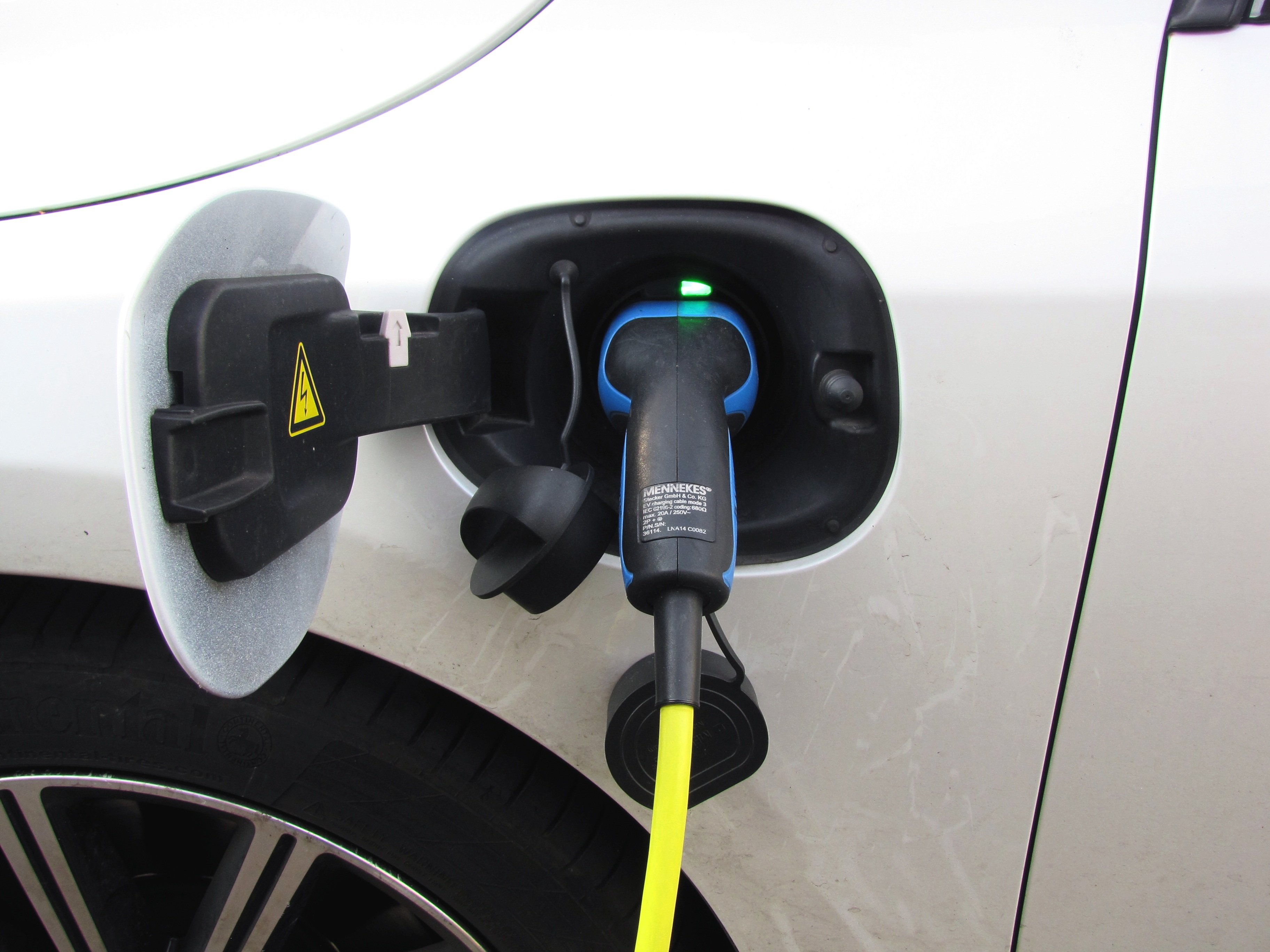
How it works: Two-rate tariff. Cheap overnight (typically around 8p/kWh, varying by region, 12:30am–5:30am) and standard daytime rate.
Best for: EV owners who charge overnight. Also useful for running dishwashers and washing machines overnight.
Typical saving: £150–£300/year on EV charging costs alone.
Intelligent Octopus Go
How it works: Connects to your EV charger and automatically schedules charging during the cheapest windows. Also accesses additional cheap slots that standard Go customers don't get.
Best for: EV owners with a compatible smart charger who want fully automated cheap charging.
Octopus Flux
How it works: Three-rate tariff. Higher export payments during peak demand (4–7pm), cheap import overnight, standard rate during the day.
Best for: Rooftop solar + battery owners who want to maximise export income.
Typical saving: £200–£500/year with optimised battery charge/discharge schedules.
Cosy Octopus
How it works: Cheaper rates during heat pump operating hours — typically early morning and late afternoon.
Best for: Air source and ground source heat pump owners.
Typical saving: 15–25% reduction in heat pump running costs.
Which tariff should you choose?
| Your setup | Best tariff |
|---|---|
| No tech, just want cheaper bills | Flexible Octopus (standard) or Tracker |
| EV owner | Go or Intelligent Go |
| Plug-in solar only | Agile |
| Solar + battery | Agile or Flux |
| Heat pump | Cosy Octopus |
| Solar + battery + EV | Agile (most flexibility) |
Ready to switch?
All tariffs are available after switching via the referral link. You choose your tariff during or after the quote process. The £50 credit applies regardless of which tariff you select.