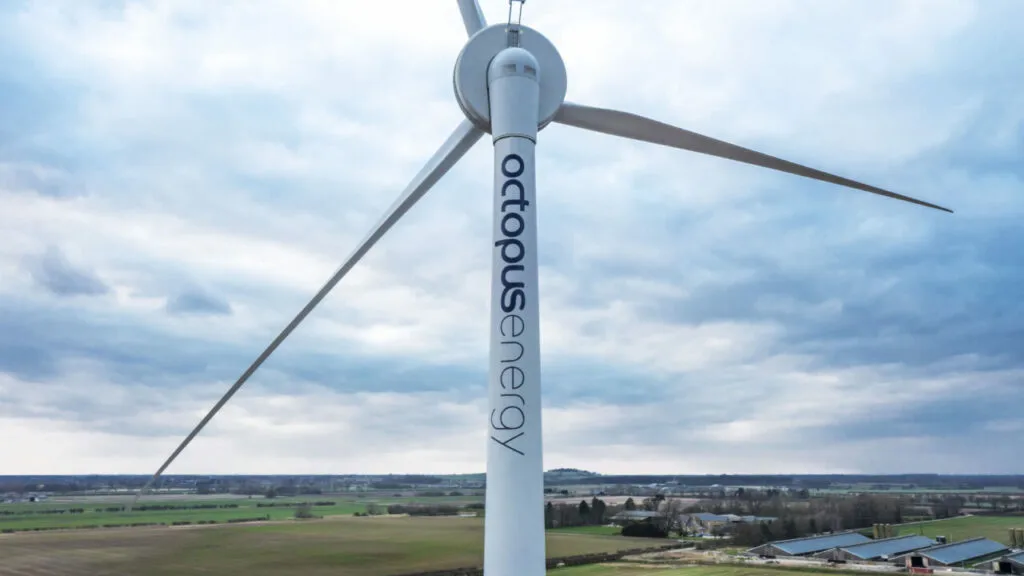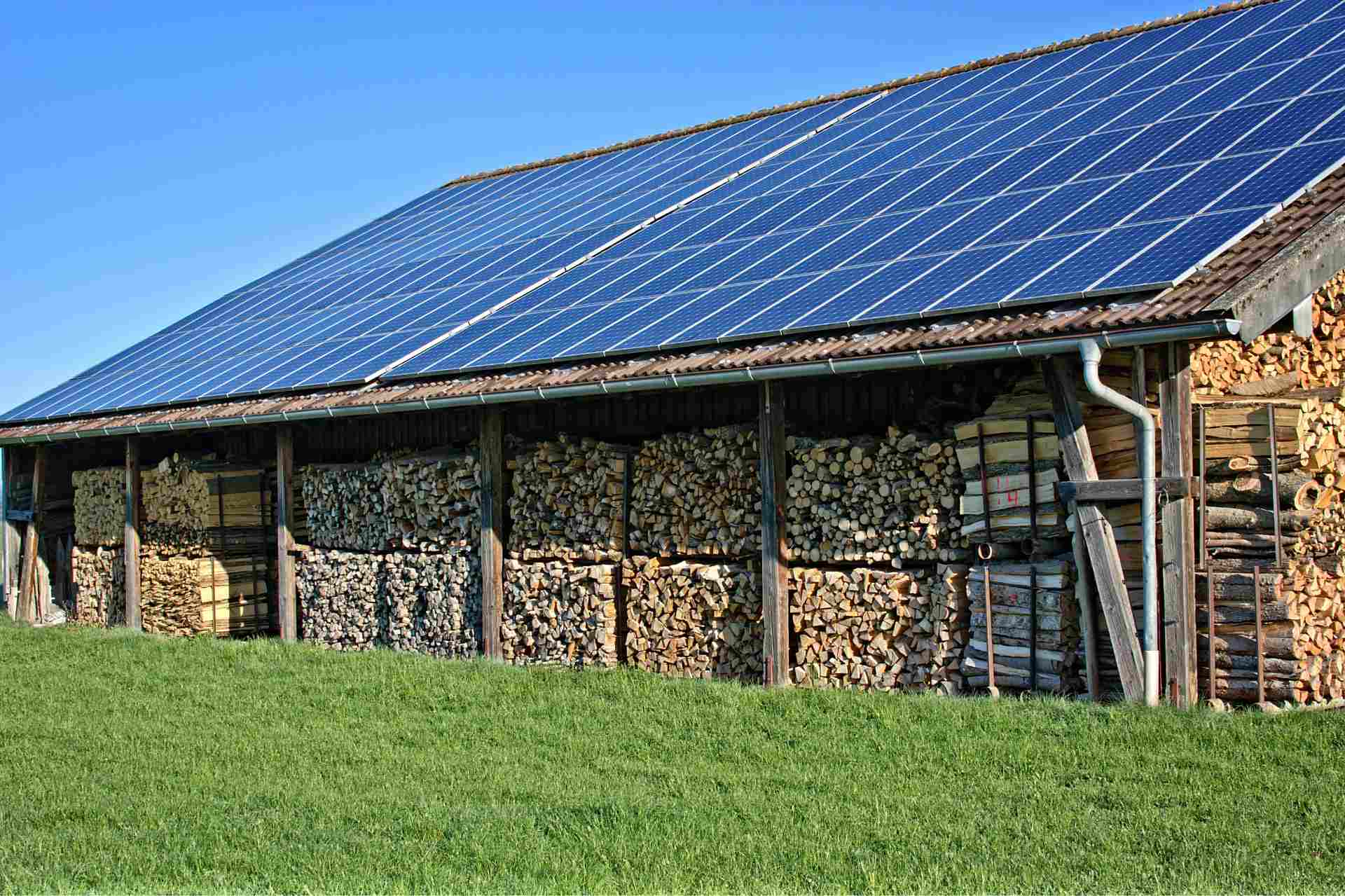
There are currently around 1.2 million homes in the UK with rooftop solar panels. That number took fifteen years and £12 billion in government subsidy to reach. Germany reached 1.15 million balcony solar installations — a completely different product category — in three years, with no subsidy, using hardware that costs a fraction of the price.
The question worth asking is not whether plug-in solar will take off in the UK, but why it took this long — and what the answer tells us about what happens next.
Why Germany got there first
Three reasons, in order of importance. First, Germany's electricity prices are higher — around €0.31/kWh versus the UK's £0.24/kWh. Higher prices mean faster payback, which means more buyers cross the decision threshold. Second, Germany updated its wiring regulations in 2023 to permit balcony solar without an electrician. Third, German supermarkets — particularly Aldi and Lidl — started stocking kits at €199–299, putting solar in front of consumers who weren't actively looking for it.
The UK had higher barriers on all three fronts. Electricity prices, while elevated post-2022, remained below Germany's. Wiring regulations were stricter. And no UK retailer stocked plug-in solar kits because certified ones didn't legally exist as a retail product.
Why 2026 is different
The Iran war changed the energy price equation. UK electricity prices are no longer materially lower than Germany's. BS 7671 Amendment 4 has removed the regulatory barrier. EcoFlow, Lidl, Iceland and Amazon have confirmed retail partnerships. All three German conditions now exist in the UK simultaneously for the first time.
This is not a gradual improvement. It's a threshold crossing. The German experience suggests the transition from near-zero to genuinely mainstream happens faster than anyone expects once the threshold is crossed.
What the UK has that Germany didn't
Three years of product maturation. The kits arriving in UK shops in 2026 are better than the kits that launched Germany's market in 2023. The UK also has a larger private rented sector — 4.4 million households who can't access rooftop solar but can install portable plug-in kits. That's a larger addressable market for plug-in solar specifically than Germany had at equivalent regulatory conditions.
A reasonable projection
Germany reached 1.15 million balcony solar installations in three years. The UK started with more suppressed demand, higher recent electricity prices, and a better product ecosystem. 800,000–1,200,000 UK installations within three years of retail availability is plausible — not guaranteed, but consistent with the German precedent adjusted for UK conditions.